Processor Design Evolutions Transforming Capabilities in Portable Electronics
Written by Katja Albrecht · Oct 2, 2026
Processor Design Evolutions Transforming Capabilities in Portable Electronics
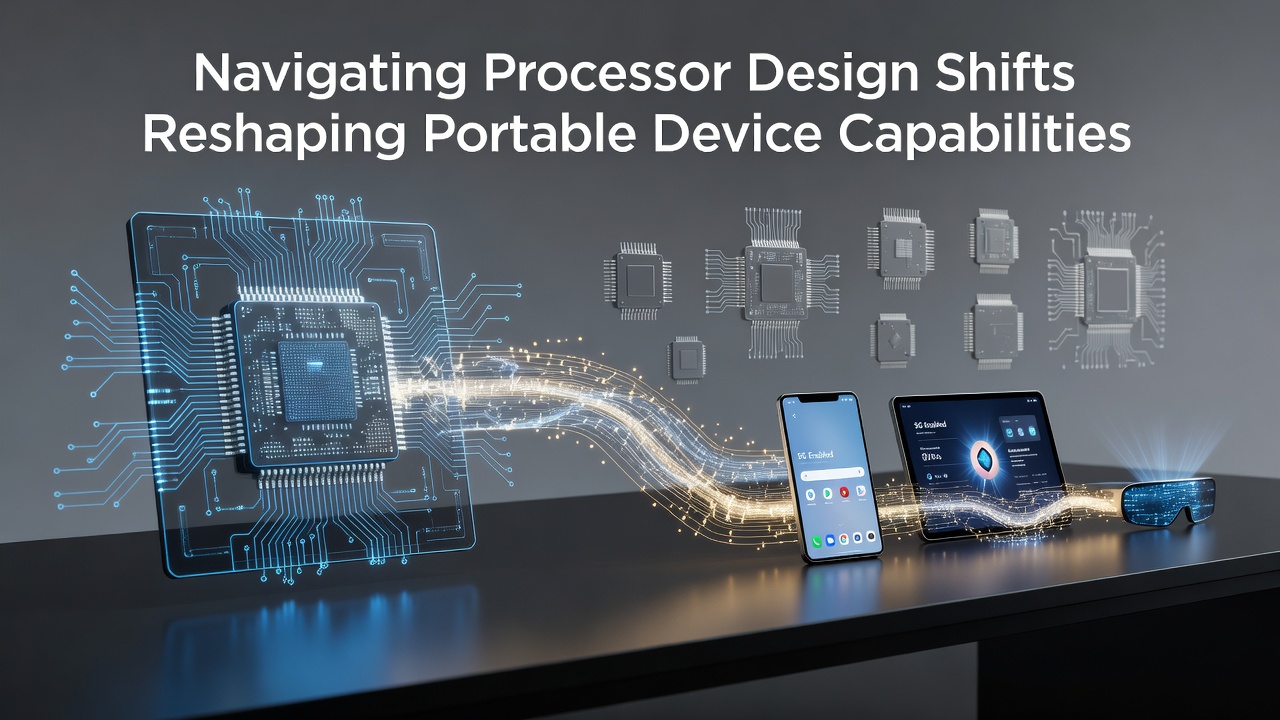
Processor architectures in portable devices continue to evolve rapidly, with manufacturers focusing on specialized cores, improved power gating, and heterogeneous computing models that balance performance with energy constraints. Data from industry analyses indicate these changes directly influence battery endurance, computational speed, and feature sets in smartphones, tablets, and laptops as of October 2026.
Core Architecture Transitions in Mobile Chipsets
Design teams have shifted from uniform multi-core layouts toward big.LITTLE configurations and chiplet-based assemblies, where multiple dies handle distinct workloads such as graphics rendering or signal processing. Researchers at academic institutions across Europe have documented how these modular approaches reduce thermal output while allowing selective activation of high-performance clusters during demanding tasks. Manufacturers integrate custom instructions tailored for machine learning inference, which accelerates on-device processing without constant reliance on external servers.
ARM-based designs dominate the portable segment, yet x86 adaptations and emerging RISC-V implementations appear in select products, offering alternatives for developers seeking open-source flexibility. Figures from semiconductor tracking services reveal that ARMv9 extensions, including enhanced vector extensions, have seen widespread adoption since their introduction, enabling better parallel execution in video encoding and augmented reality applications.
Efficiency Gains and Thermal Management Advances
Power consumption metrics show consistent improvements through finer process nodes and advanced voltage regulation, with leading foundries achieving sub-3nm geometries that lower leakage currents. Observers note that dynamic voltage and frequency scaling algorithms now incorporate predictive models based on usage patterns, which extend operational time between charges in portable units. Studies conducted by North American research labs highlight how 3D stacking techniques further minimize interconnect lengths, cutting both latency and energy draw during data transfers between memory and compute units.
Thermal throttling mechanisms have grown more sophisticated, employing on-chip sensors and machine learning to anticipate heat spikes before they impact sustained performance. This approach maintains consistent frame rates in gaming scenarios and supports prolonged video capture sessions without external cooling accessories.
AI Acceleration and Specialized Processing Units
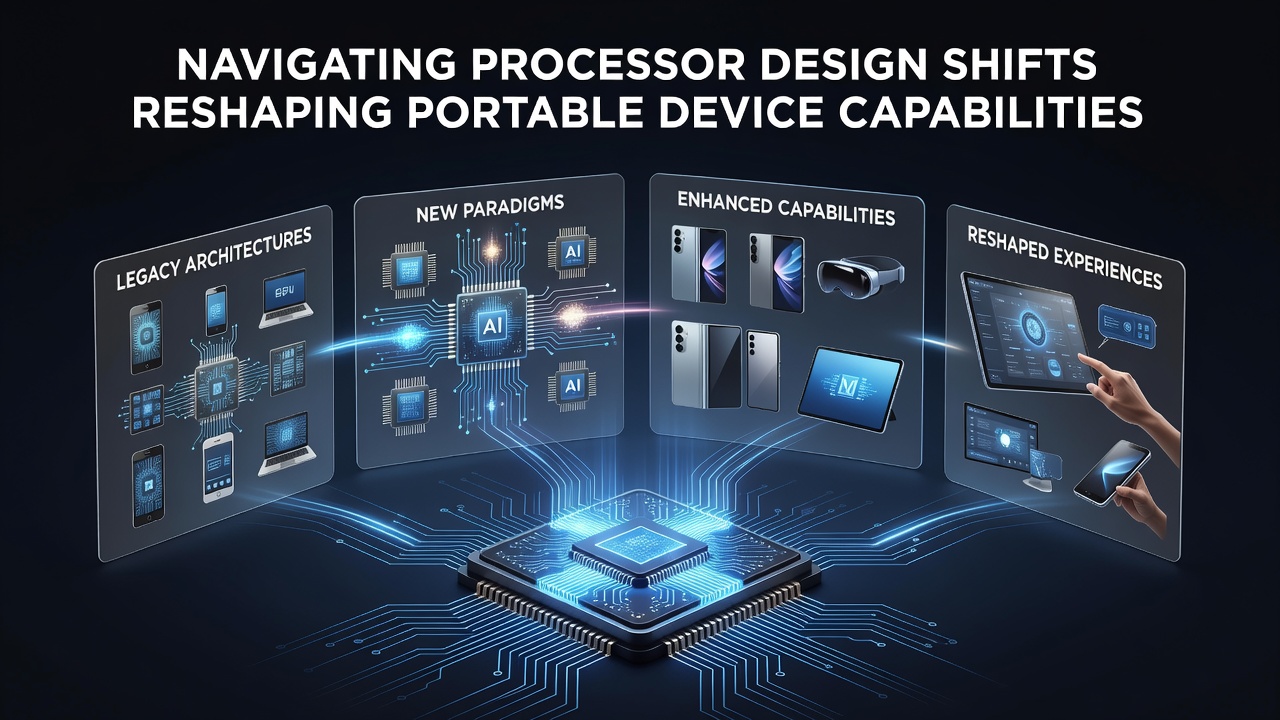
Neural processing units now form standard components in flagship portable processors, handling tasks from image recognition to natural language processing locally. Reports compiled by Asian technology consortia demonstrate that dedicated AI silicon can achieve up to tenfold improvements in inference speed compared to general-purpose cores while consuming a fraction of the power. Integration of these units allows features such as real-time language translation and advanced computational photography to operate offline, expanding device utility in varied environments.
Security enhancements accompany these AI additions, with hardware-enforced isolation zones protecting sensitive model data from unauthorized access. Government technology assessments from Australian regulatory bodies emphasize the role of such features in meeting emerging data protection standards for consumer electronics.
Manufacturing and Ecosystem Considerations
Supply chain data indicate that multi-die packaging techniques introduce new testing protocols, yet they also permit mixing of process nodes within a single package to optimize cost and performance. Compatibility layers and emulation frameworks help maintain software continuity across architecture transitions, though developers must adapt codebases to leverage new instruction sets effectively. Industry organizations focused on open standards promote interoperability guidelines that reduce fragmentation in the portable device market.
One case where experts tracked adoption patterns involved the rollout of unified memory architectures in laptop processors, which streamlined data sharing between CPU and GPU sections and improved multitasking responsiveness across multiple operating systems.
Outlook for Portable Device Development
Continued refinement of quantum-resistant encryption modules within processor designs prepares portable devices for future security requirements. Research papers from Canadian universities project that hybrid classical-quantum approaches may appear in high-end models within the next few years, further altering encryption and simulation capabilities. Market reports show steady growth in shipments of devices equipped with these evolving processors, driven by demand for seamless integration of connectivity standards such as advanced 5G and Wi-Fi variants.
Conclusion
Processor design shifts continue to expand what portable devices can accomplish through targeted hardware specialization and efficiency optimizations. Stakeholders across manufacturing, software development, and regulatory sectors monitor these developments to align product roadmaps with emerging technical possibilities. The interplay between architecture choices and device functionality remains central to ongoing innovation in the portable electronics sector.